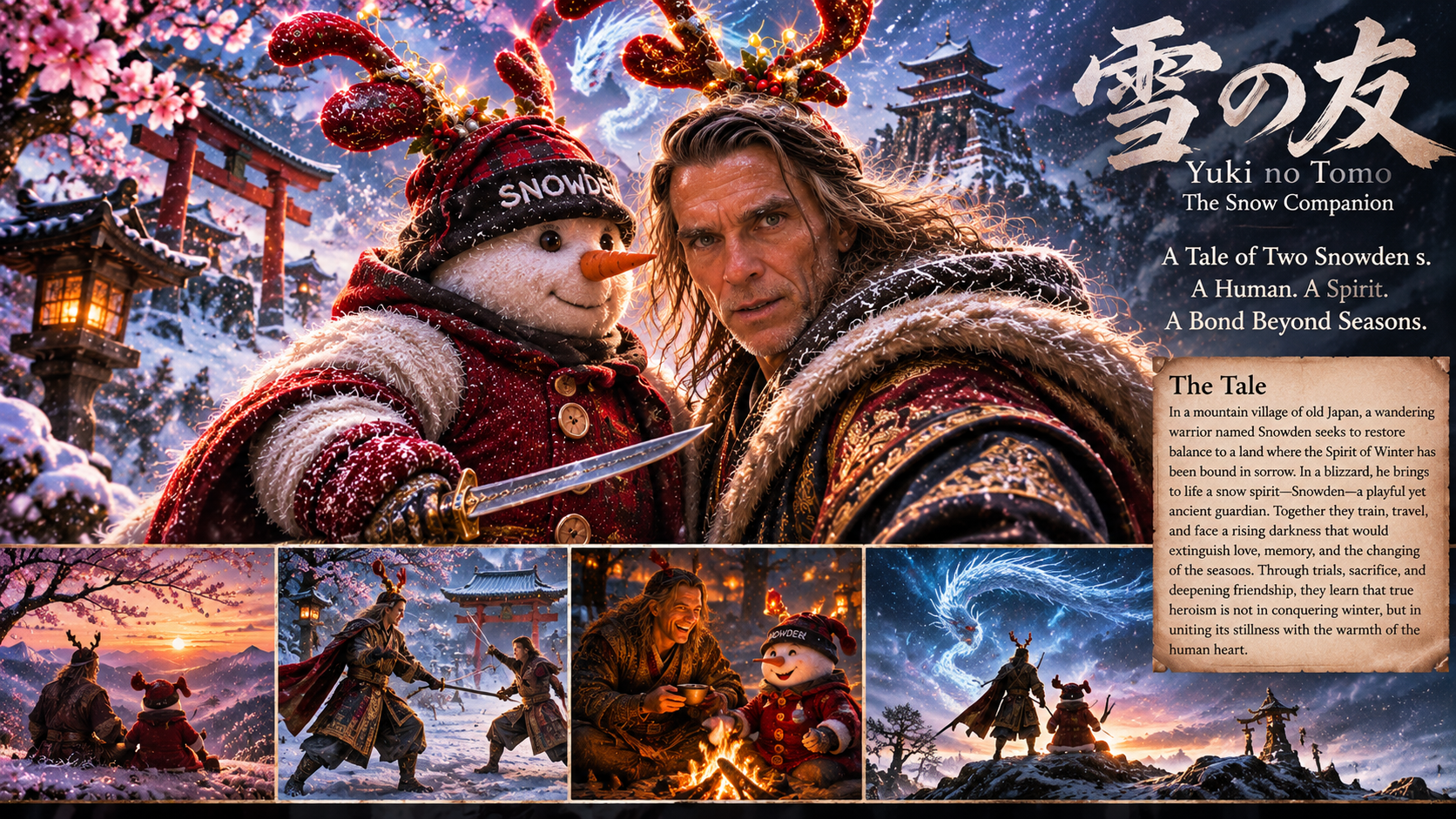
Snowden: The Two Souls of Winter
雪の二つの魂 — Yuki no Futatsu no Tamashii
A Japanese fantasy epic of honor, friendship, sacrifice, and a love powerful enough to defy the gods.
The complete original tale 13 illustrations & variations
Mythological fantasy · Samurai adventure · Spiritual drama
An imaginary ancient Japan, where mountain spirits walk among humans, the snows conceal forgotten kingdoms, and the boundary between life and death grows thin each winter.
The legend
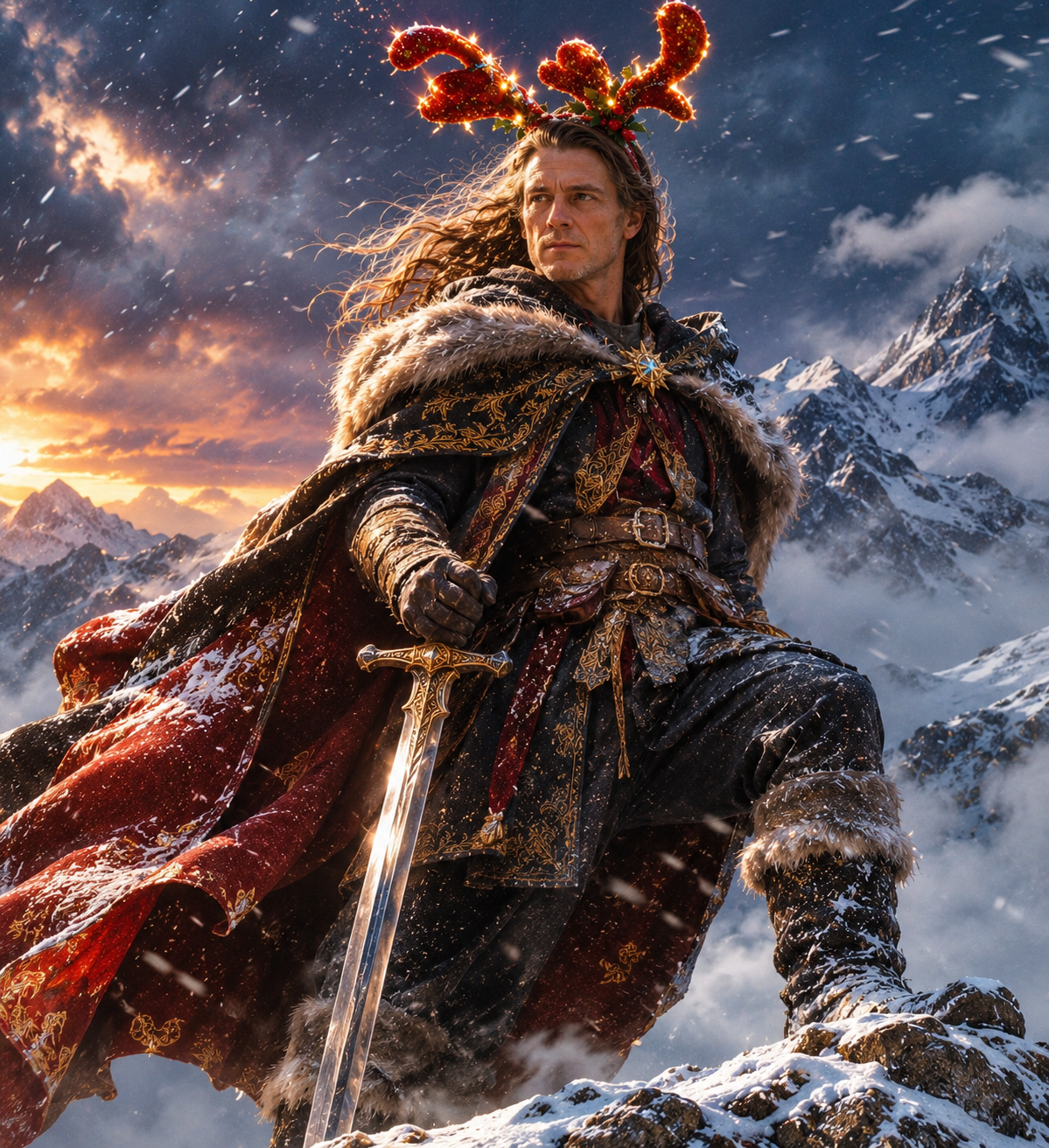
Long ago, when the mountains still spoke and the stars descended to drink from frozen lakes, there lived a warrior named Snowden.
He was no ordinary samurai. Born beneath a winter comet, he possessed a gift both beautiful and terrible: he could hear the voices of things that had never lived.
The wind spoke to him. The mountains remembered him. Even the snow whispered his name.
But Snowden carried a wound that no sword could heal.
Years earlier, he had lost someone he loved while trying to save a mountain village from a supernatural winter. He had defeated the invading spirits, but victory came too late.
From that day forward, he vowed never again to place honor above love.
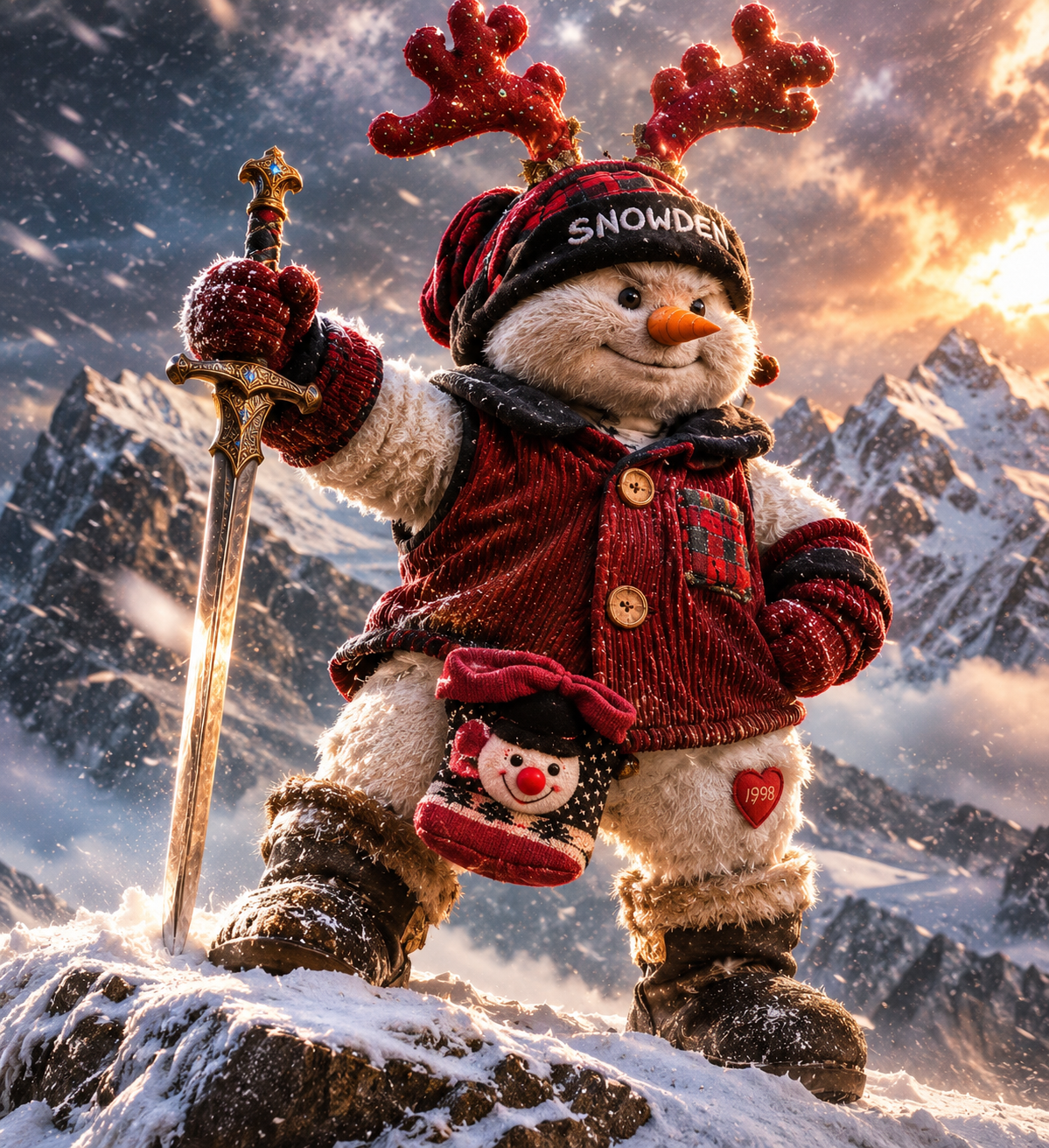
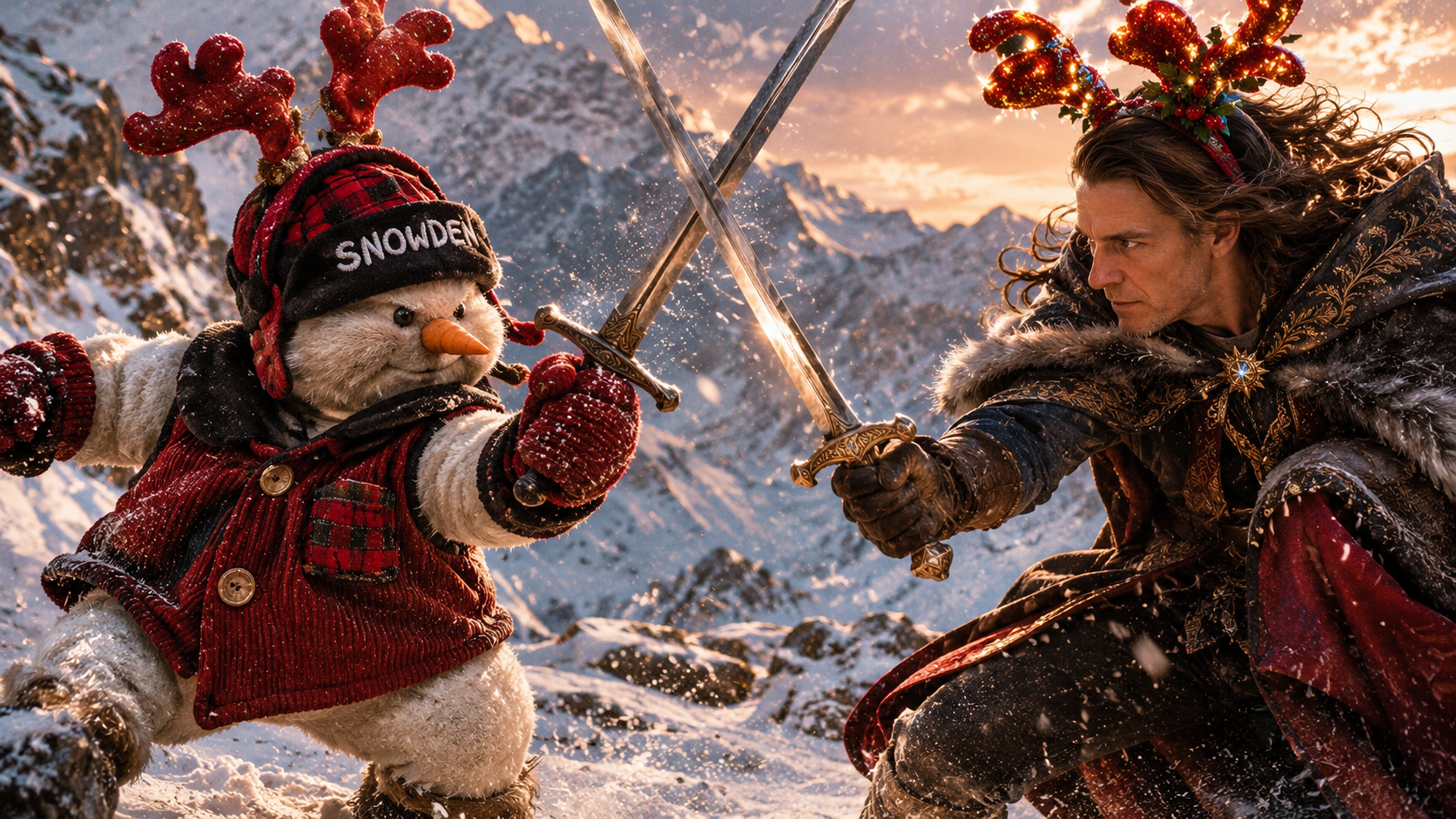
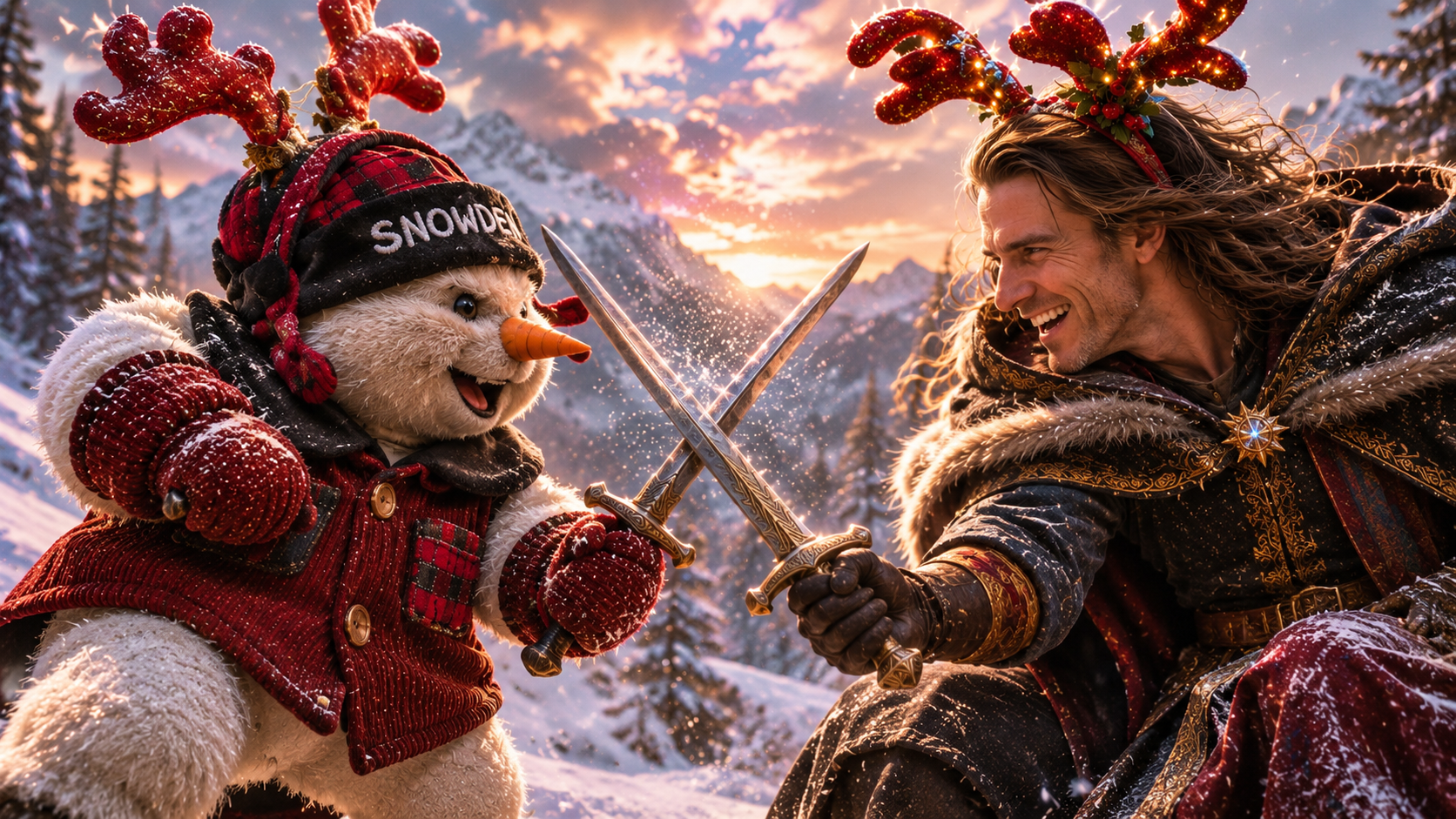
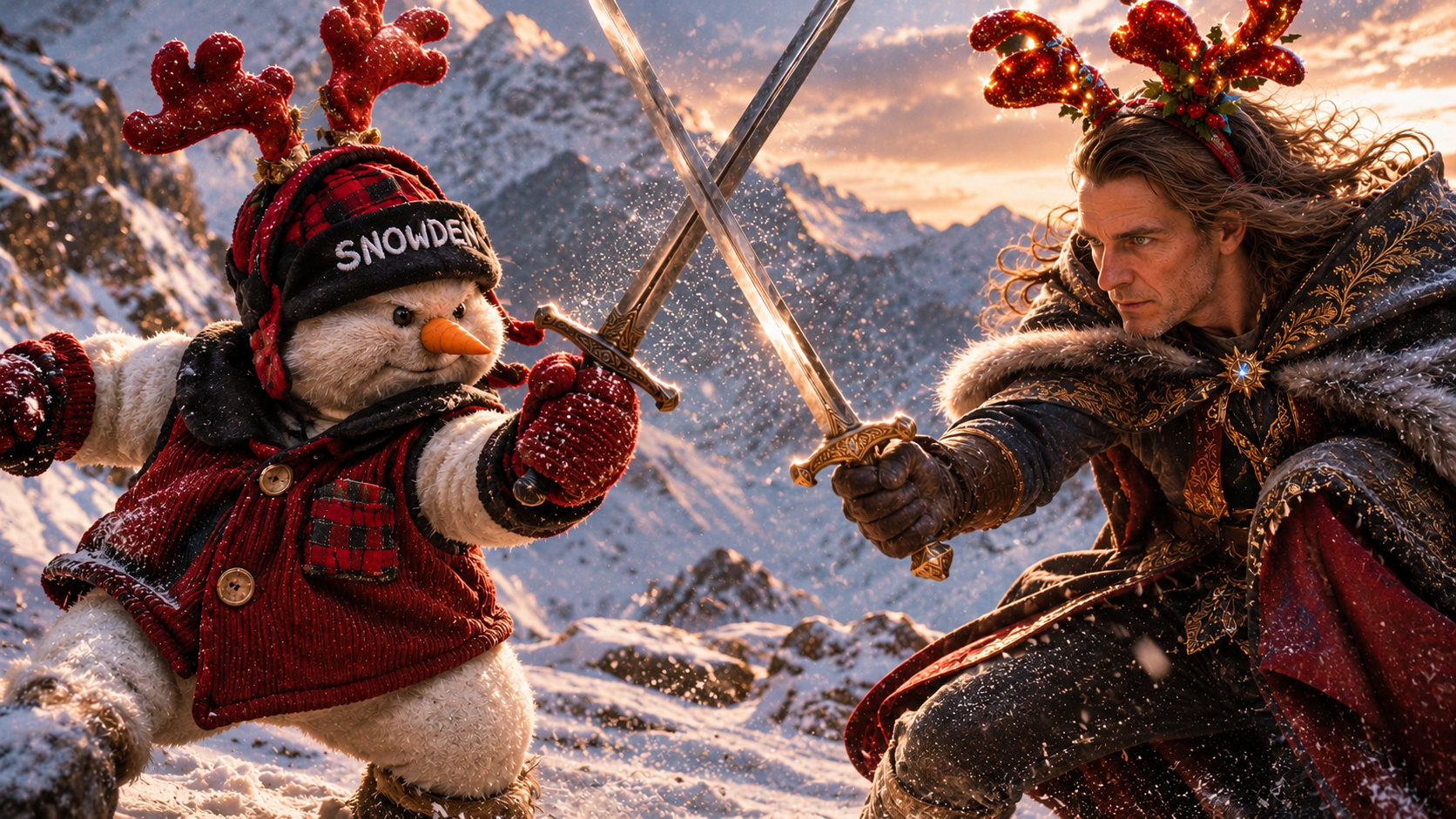
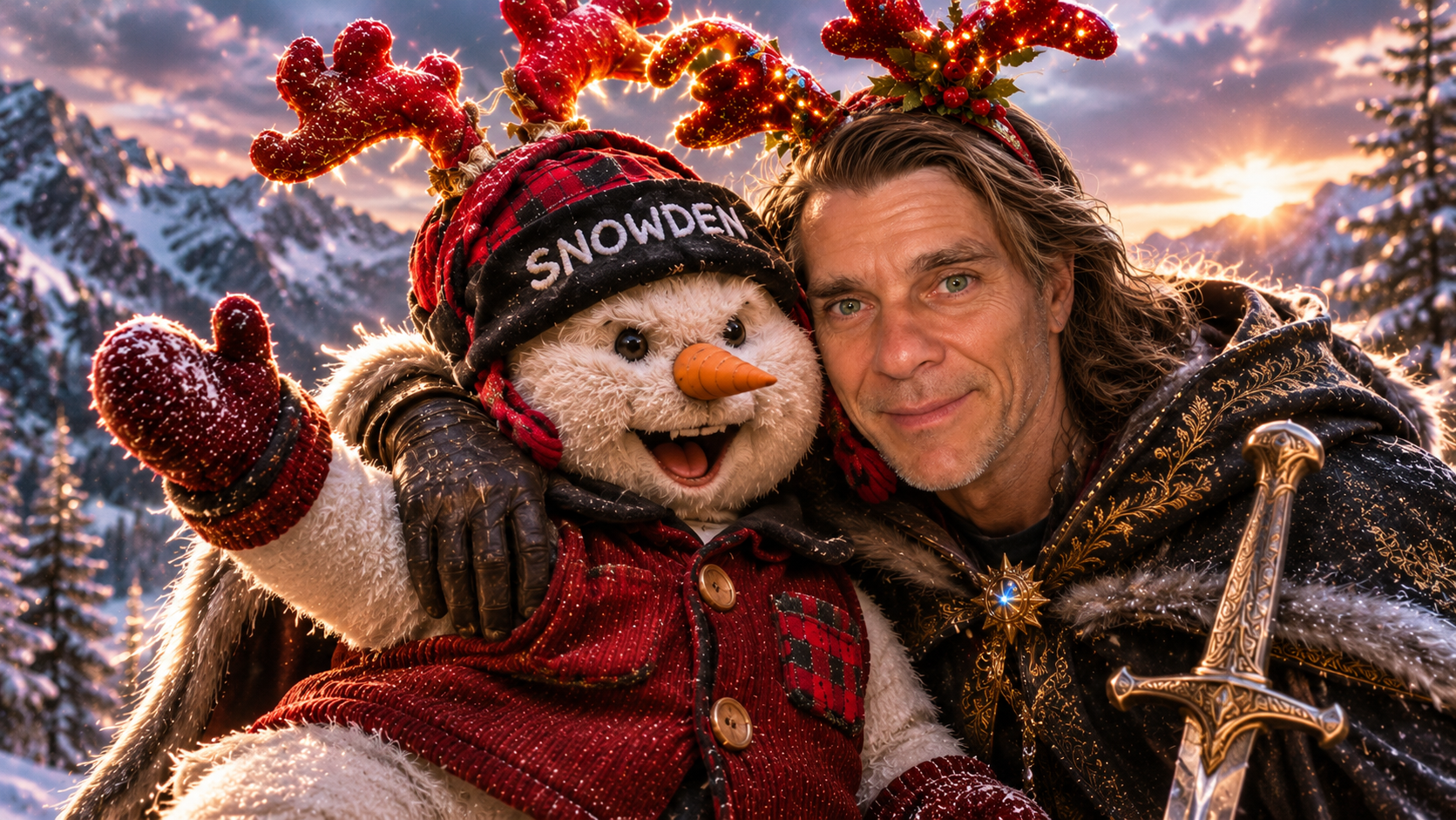
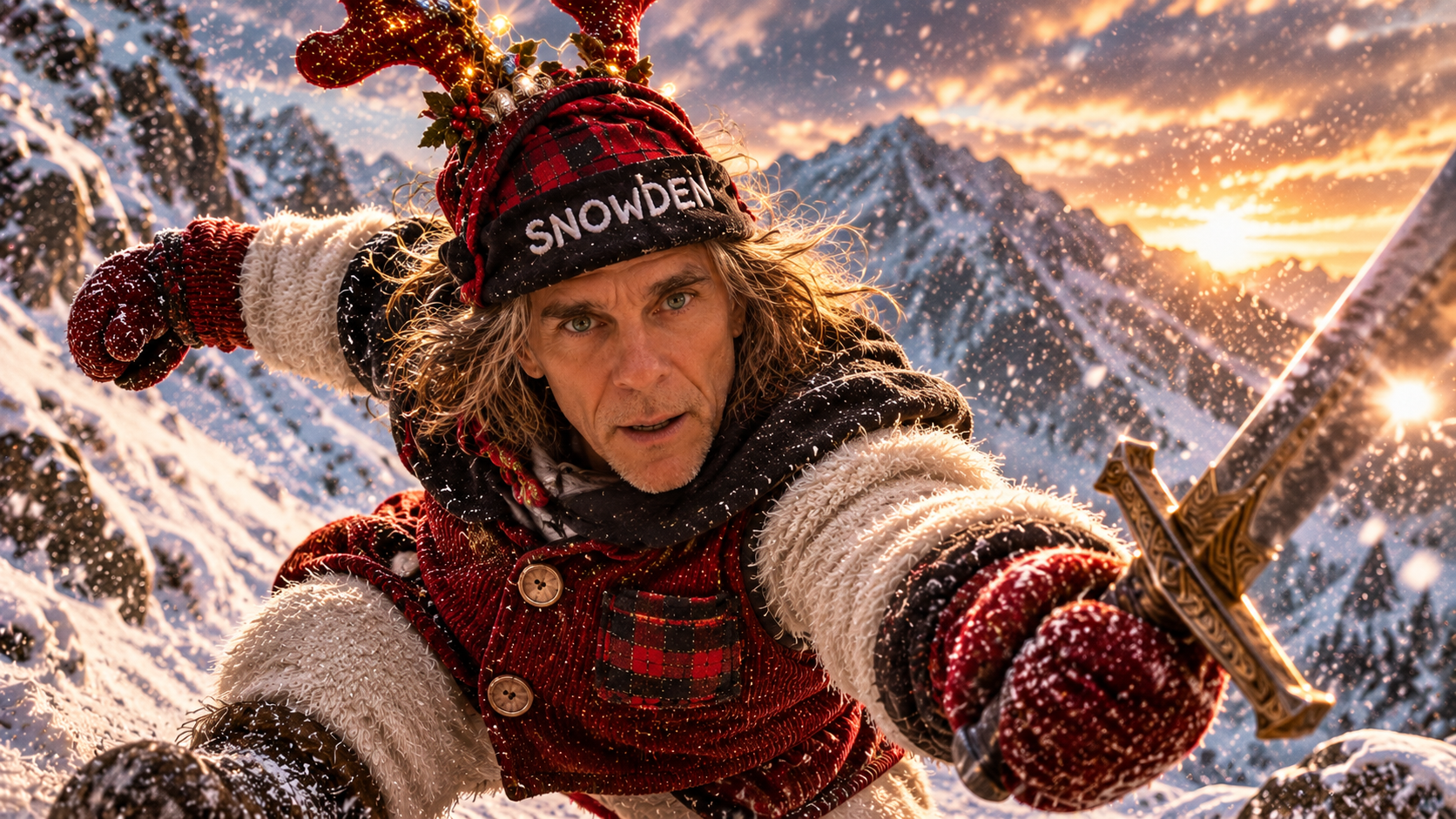
One winter evening, wandering the sacred slopes of Mount Hoshiyuki, Snowden encountered a small snowman dressed in red, wearing glittering antlers and a curious hat bearing a single word:
SNOWDEN.
The little creature looked up at him.
“At last,” it said. “I have found myself.”
The warrior drew his sword.
For the first time in a hundred years, the mountain laughed.
Act I — The Duel of Two Snowdens
The little snowman claims to be the guardian of the mountain, born from the final wish of a dying child who wanted winter to be beautiful rather than cruel.
He possesses an ancient sword called Yukikiri, the Snow-Cutter, capable of severing the bonds between the physical and spiritual worlds.
But he has forgotten his true purpose.
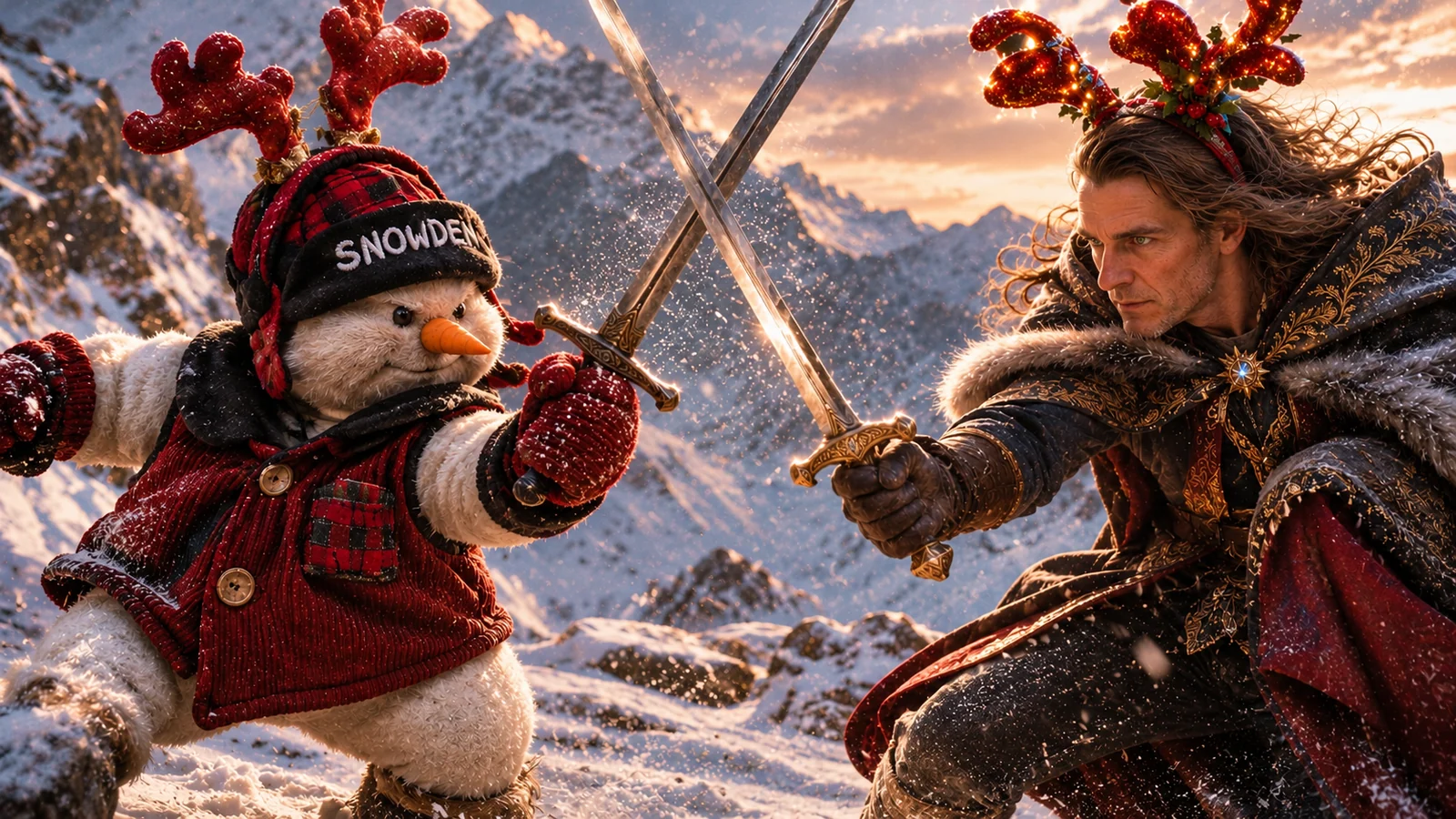
Believing the human Snowden has come to steal the mountain’s sacred fire, the snowman challenges him to a duel.
Their swords meet beneath the northern lights.
For seven nights, they fight across frozen waterfalls, ancient cedar forests, and the rooftops of abandoned temples.
Neither can defeat the other.
The human is stronger and more experienced. The snowman, however, can reform himself from falling snow whenever he is struck.
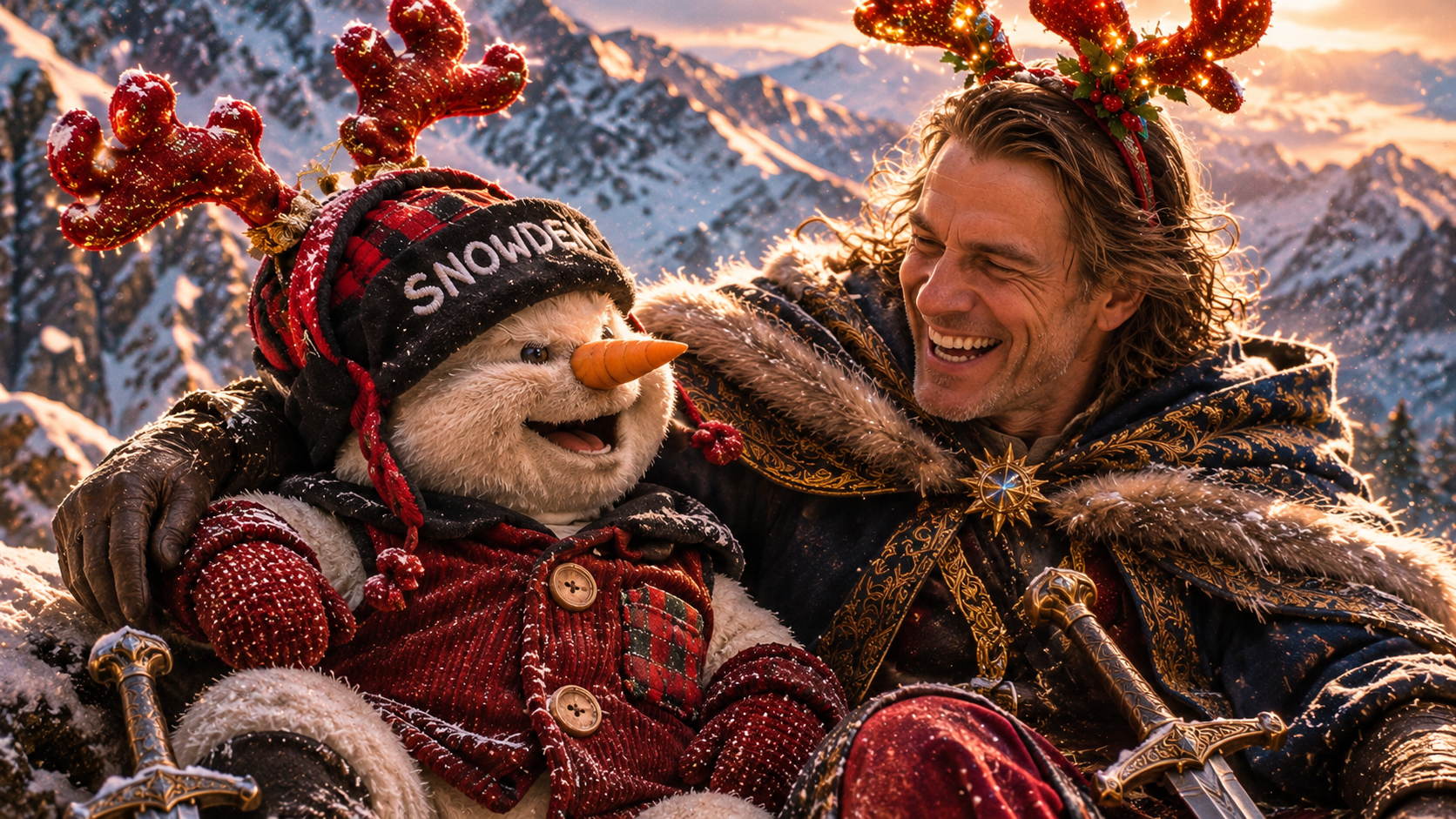
Eventually, exhausted, they sit beside a fire.
“Why do you fight?” asks the snowman.
“To protect what I love,” answers the warrior.
“And what do you love?”
The warrior cannot answer.
The snowman quietly places another branch on the fire.
“Then perhaps that is what we must find.”
Act II — The Journey of a Thousand Lanterns
The two become unlikely companions, traveling through a land slowly losing its seasons.
They encounter a blind fox spirit who sees the future, a thousand-year-old cedar that remembers every human who has ever rested beneath its branches, and a village where the dead return each winter to share one final meal with those they loved.
The snowman learns the human arts of swordsmanship, meditation, and compassion.
The warrior learns something he had forgotten: how to laugh, how to trust, and how to love without fearing loss.
At night, they practice their swords beneath the stars. By day, they rescue travelers, protect mountain villages, and carry lanterns to lonely shrines.
But as spring approaches, the snowman begins to weaken.
He is not merely made of snow.
He is made of all the love the warrior has refused to feel since his great loss.
And when the mountain’s ancient winter ends, he will disappear.
Act III — The Dragon of Eternal Winter
High above the world awakens Fuyuryū, the Dragon of Eternal Winter.
The dragon was once a benevolent guardian of the seasons. But after witnessing centuries of human suffering, it concluded that love itself was the cause of grief.
To spare humanity further sorrow, it intends to freeze time forever.
No one will age. No one will die.
But no one will grow, change, or love again.
The two Snowdens ascend the sacred mountain to confront it.
The dragon offers the warrior a terrible bargain:
“Give me your little companion, and I will restore the one you lost.”
The warrior looks at the snowman, who smiles and says:
“You should accept. I am only snow.”
The warrior kneels before him.
“No. You are my friend.”
For the first time, the snowman weeps.
And his tears are warm.
Act IV — The Last Sword Dance
The dragon unleashes a storm that covers the world in darkness.
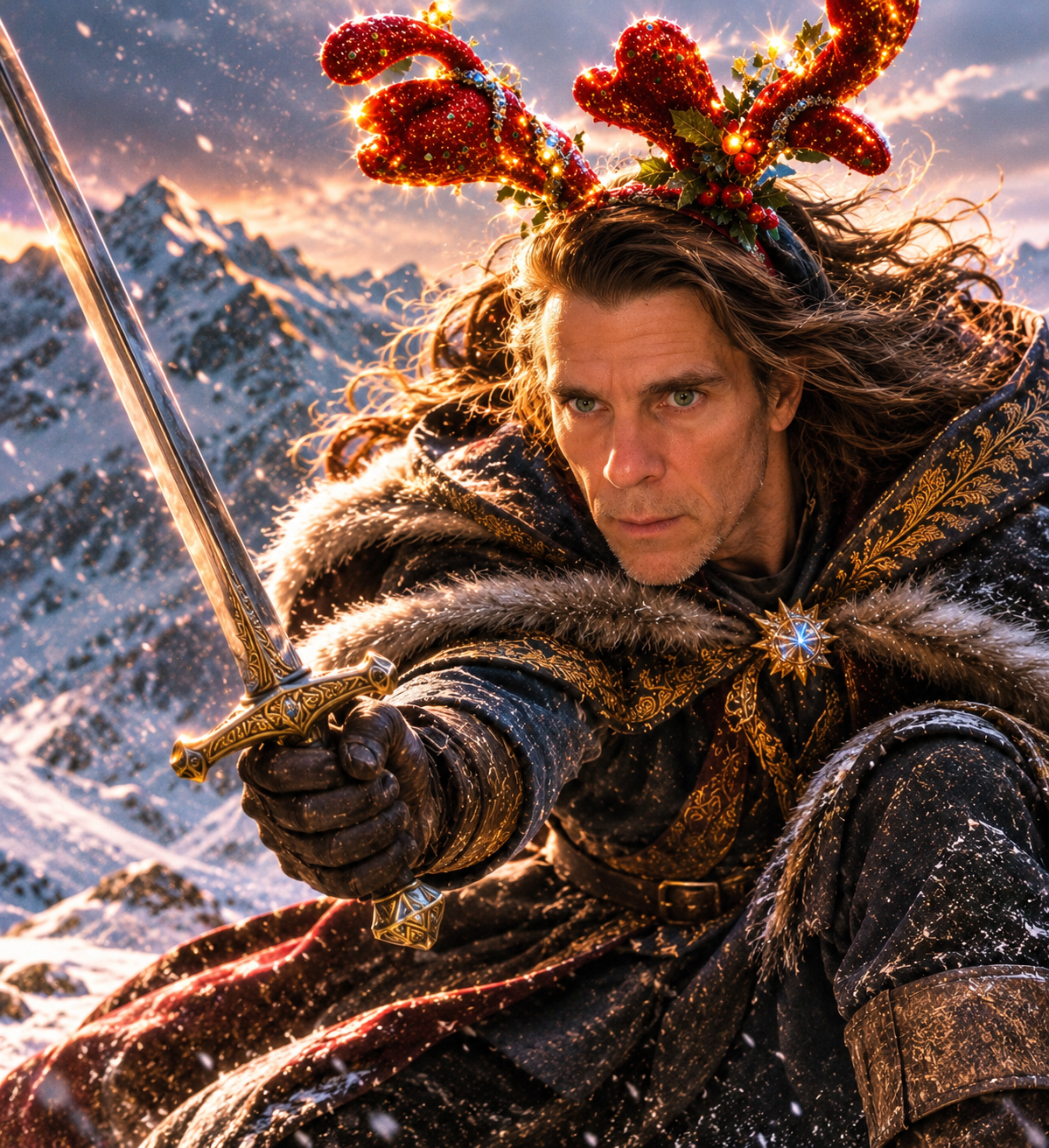
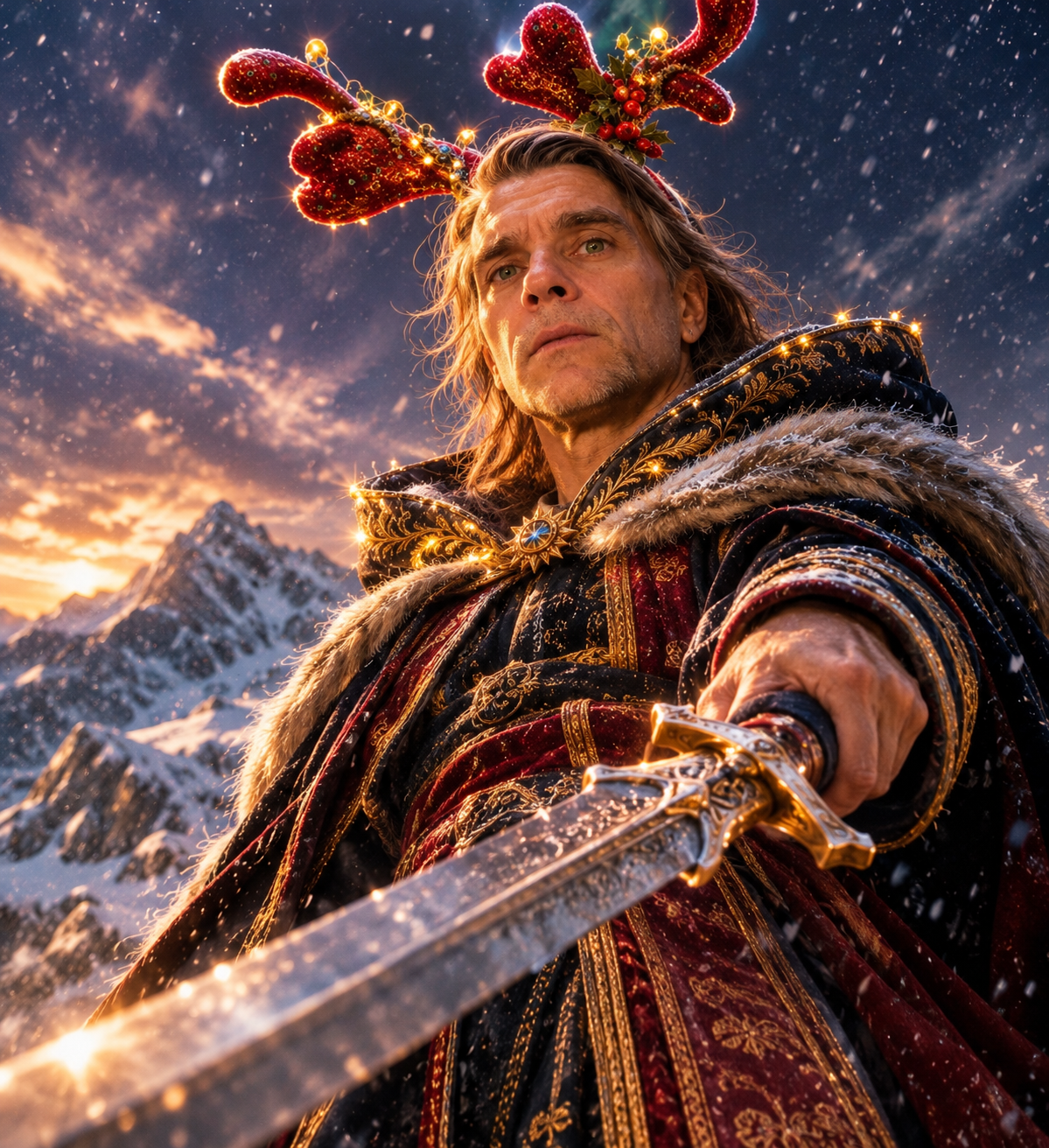
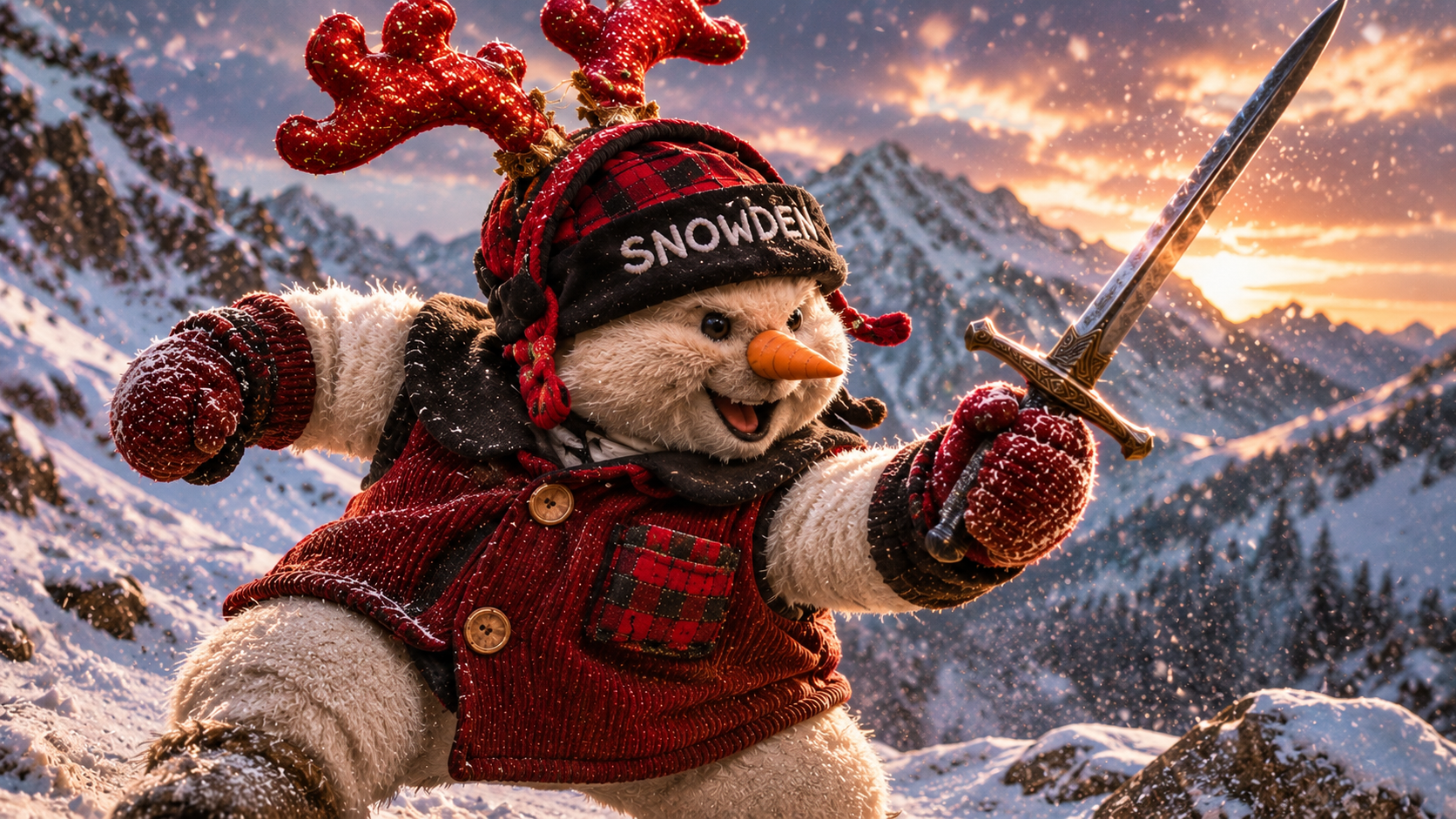
The two Snowdens fight side by side, their swords moving as one.
The warrior’s blade carries the fire of human love. The snowman’s blade carries the stillness of winter.
Neither alone can defeat the dragon.
But together, they discover the ancient secret of the mountain: winter and spring are not enemies. They are partners in the same eternal dance.
The snowman willingly gives up his immortal winter magic, allowing the warrior to channel their combined power into a final strike.
Instead of killing the dragon, they free it from its grief.
The dragon remembers the beauty of the seasons.
Snow begins to melt.
Cherry blossoms open across the mountains.
And the little snowman collapses into a small mound of white snow.
Only his red hat remains.
Epilogue — The Promise of the First Snow
Years pass.
The warrior grows older, becoming a teacher who trains young swordsmen in a philosophy he calls The Way of the Open Heart.
He teaches that the greatest warrior is not the one who cannot be defeated, but the one who remains capable of loving after suffering loss.
Every winter, he climbs the sacred mountain and leaves two swords beside a small stone shrine.
And every year, on the first snowfall, he hears a familiar voice.
“You’re getting slow, old man.”
He turns.
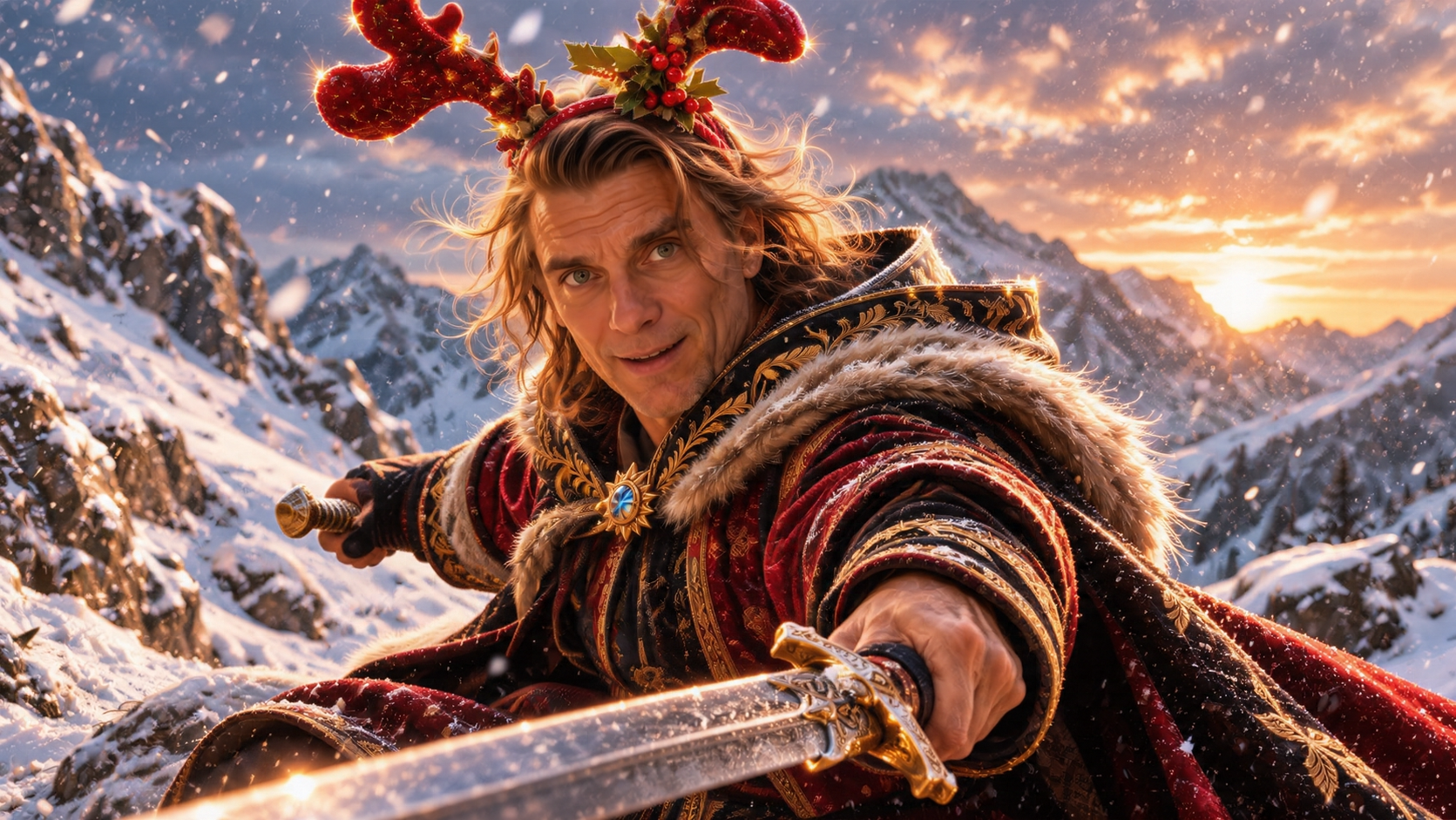
There stands Snowden, wearing his ridiculous red antlers, his black hat, and the same mischievous smile.
The warrior laughs.
“You’ve gotten shorter.”
“I’ve been melting.”
They draw their swords.
And beneath the falling snow, two friends begin their dance once more.
The heart of the film
The story is not ultimately about two warriors defeating a dragon. It is about two beings who discover that love is not the opposite of loss; love is what makes loss worth enduring.
The human Snowden represents courage, memory, and the vulnerability of loving.
The snowman Snowden represents innocence, impermanence, and the joy of living fully even when life is brief.
Their friendship transforms both.
The closing line, spoken by the snowman:
“Even when I melt, I have not vanished. I am the water in your rivers, the clouds above your mountains, and the snow that will always find its way back to you.”
Final shot: Two swords cross against the rising sun. A single cherry blossom lands upon the snowman’s red hat. Cut to white.